Present a solid, well-founded case.
Seeking protection in the United States? We guide you through the preparation of your asylum application with expertise and attention to every detail, so your file arrives complete, organized, and on time.
The asylum process is delicate and every detail counts. An incomplete form or poorly organized evidence can delay your case for months. Our job is to make sure your file is presented in the best possible way, with every document in place and within the deadlines required by law.
Asylum is the protection the United States grants to someone who is inside the country, or arrives at one of its borders, and cannot return to their home country because they have suffered persecution or have a well-founded fear of suffering it. It is not a visa requested from abroad: it is requested while here, using Form I-589.
A person granted asylum can live and work legally in the United States, bring their closest family members, and, in time, apply for permanent residency. That is also why it is one of the processes that demands the most care: what is written in the application is the foundation of everything that comes after.
It is not enough for the situation in your country to be difficult or dangerous. The persecution must be connected to at least one of these five grounds: race, religion, nationality, political opinion, or membership in a particular social group.
The last ground is the broadest and also the most technical: depending on the case, it can cover people persecuted for their sexual orientation, their family, or other characteristics they cannot or should not have to change. Which of the five fits your story, and how it is proven, is the first conversation we have. You do not need every piece of evidence on day one: what matters is knowing which ones to look for.
As a general rule, the asylum application must be filed within one year of your last arrival in the United States. This is the deadline that leaves the most cases out, so it is worth starting as soon as possible, even while you are still gathering evidence.
The law allows exceptions when there are changed circumstances —in your country or in your personal situation— or extraordinary circumstances that prevented filing on time. They are not automatic: they must be explained, and the application must be filed within a reasonable time. If the year has already passed, do not assume it is lost without reviewing it, but do not wait any longer either.
The form is the same, but the path depends on whether or not you are in removal proceedings.
This is the path for those who are not in proceedings before the immigration court. The application is filed with USCIS and the case is decided after an interview with an asylum officer. We explain it in detail on our affirmative asylum page.
This is the path for those already in removal proceedings: asylum is requested before an immigration judge, as a defense against deportation. The deadlines are set by the court. We explain it in detail on our defensive asylum page.
Your spouse and your unmarried children under 21 can be included in your application if they are in the United States. If asylum is granted, they receive the same status.
If they are outside the country, after approval you can request that they join you through a separate petition for relatives of asylees. There are deadlines for doing so and the child’s age matters, so we review it from the start.
Applying for asylum does not grant a work permit right away. The work permit application (Form I-765) can be started 180 days after USCIS has received your asylum application, and that clock can stop if you ask to reschedule an appointment or a hearing. We keep track of those dates to file at exactly the right time.
Once you have been in the United States for one year with approved asylum, you can apply for permanent residency through adjustment of status. It is the step that turns protection into a stable life, and later opens the way to citizenship. Family members included in your asylum can apply as well.
Letting the one-year deadline pass while waiting to gather the perfect evidence. Writing a vague statement, without dates, places, or names, or one that does not match what you say later at the interview: credibility weighs as much as the documents. Submitting documents in another language without a certified translation.
Leaving questions on the form blank, not notifying USCIS or the court of a change of address, or leaving the United States with a pending application without the proper travel permit. And traveling to the country you say you are fleeing, which can contradict the very basis of the case.
We start with an appointment where we listen to your story, review your entry dates, and see which path you are on. If anything in your situation requires legal representation before the court, we tell you from that very first moment.
Then we prepare your complete file: we transcribe Form I-589, help you organize your statement, and arrange the evidence so it tells your story clearly. We have attorneys licensed in Colombia; in the United States our service is document preparation, in Spanish and English, online or in person.
Tell us about your case and we will explain clearly how to move forward. If it does not qualify, we tell you at the first appointment.
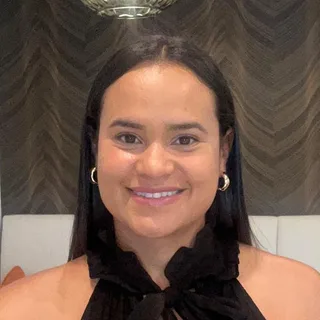
Juliana Gómez Altamirano · Attorney licensed in Colombia