Naturalization is the process through which a permanent resident becomes a U.S. citizen. We verify that you meet the requirements before filing and prepare your Form N-400 with the documents that support it.
Before filing we review your dates: how long you have been a permanent resident, how many days you have spent outside the country, and whether anything in your history should be resolved first. If it is not yet time, we tell you at the first appointment and let you know from when you can file.
Naturalizing means obtaining U.S. citizenship after having been a permanent resident. It is requested with Form N-400 before USCIS and, if approved, ends with the oath ceremony, which is the exact moment you become a citizen.
It is the last step of a path that usually starts with a family petition and continues with adjustment of status or the consular process. As a citizen you can vote in federal elections, hold a U.S. passport, and petition for more relatives, and you no longer need to renew your green card. Nor can you lose your status by spending long periods outside the country.
All of these requirements are looked at together. Meeting one does not make up for missing another, which is why we review them all before preparing anything.
The general rule is five years as a permanent resident. If you are married to a U.S. citizen and living with that person, the period drops to three years, as long as your spouse has been a citizen during that time. The application can be filed up to 90 days before you reach the required period, not earlier.
These are two separate counts. Continuous residence measures that you have not broken your residence with long absences: a trip of more than six months may call it into question, and one of a year or more, as a general rule, breaks it. Physical presence requires having been inside the United States for at least half of the required period. You also need at least three months living in the state or USCIS district where you file.
USCIS reviews your conduct during your years as a resident: criminal history, compliance with tax obligations, child support where applicable, and the truthfulness of everything you stated in earlier processes. Some records bar naturalization and others can put your residency itself at risk, so this point is reviewed carefully and never lightly.
At the interview you are tested on basic reading, writing, and speaking in English, and on your knowledge of U.S. history and government. The civics questions come from an official list published by USCIS that can be studied well in advance.
The law provides exceptions based on age and years of residence: past a certain age, and with many years as a resident, you can take the civics test in your own language with an interpreter. Anyone with a physical, developmental, or mental disability that prevents them from learning English or civics can request an exemption with Form N-400 accompanied by Form N-648, signed by an authorized doctor. If one of these exceptions applies to you, we look at it in the appointment and prepare your application accordingly.
After the N-400 is filed, the USCIS receipt arrives and, shortly after, the biometrics appointment: fingerprints and photograph at a nearby office. That is used to run your background check.
Next comes the interview with an officer, who goes over the form with you and gives the English and civics test. If everything is in order, the application is approved and the oath ceremony is scheduled. Until that oath you are still a resident: keep your green card and do not travel as a citizen ahead of time.
Many children of a naturalized citizen acquire citizenship automatically by derivation, without filing their own N-400: in general, if they are under 18, permanent residents, and living in the United States in the custody of the citizen parent. To have a document that proves it, you can request a certificate of citizenship with Form N-600 or apply directly for a passport. Every family situation has its nuances and we review them in the appointment.
Filing too early: if you file more than 90 days ahead, USCIS denies the application and you have to start over. Miscounting trips: forgetting departures or adding up days abroad incorrectly is very common, and USCIS has your entry and exit records.
Hiding a record, however minor it seems: an omission can weigh more than the event itself. Not having filed tax returns, or owing taxes with no payment plan. And arriving at the interview without having prepared for the English and civics test: it can be retaken once, but it is better not to need that.
We start with an appointment where we review your history as a resident: dates, trips, records, and taxes. If something should be resolved before filing, we tell you clearly; if it is not yet time, we let you know from when you can file. From that comes a written, closed quote, before you pay anything.
Then we prepare the complete file: we transcribe the N-400, organize the supporting documents, check that not a single signature is missing, and submit it at your direction. We have attorneys licensed in Colombia, and service is available in Spanish and English, online or in person.
Tell us about your case and we will explain clearly how to move forward. If it does not qualify, we tell you at the first appointment.
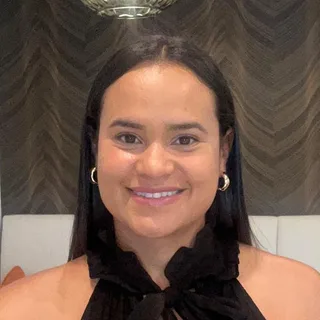
Juliana Gómez Altamirano · Attorney licensed in Colombia